Minneapolis metro
Roofing Contractors in Minneapolis, MN
Vetted, licensed, and insured roofing pros serving the Minneapolis metro, from single-family replacements to townhouse repairs and storm damage work.
Get matched with vetted pros- Population (metro)
- 3,678,328
- Housing units
- 1,509,511
- Dominant roof
- Asphalt shingle
- Climate
- Very cold
Our Minneapolis contractor network is growing each week. Every match is licensed, insured, and background-checked before we route a homeowner to them.
Roofing in Minneapolis
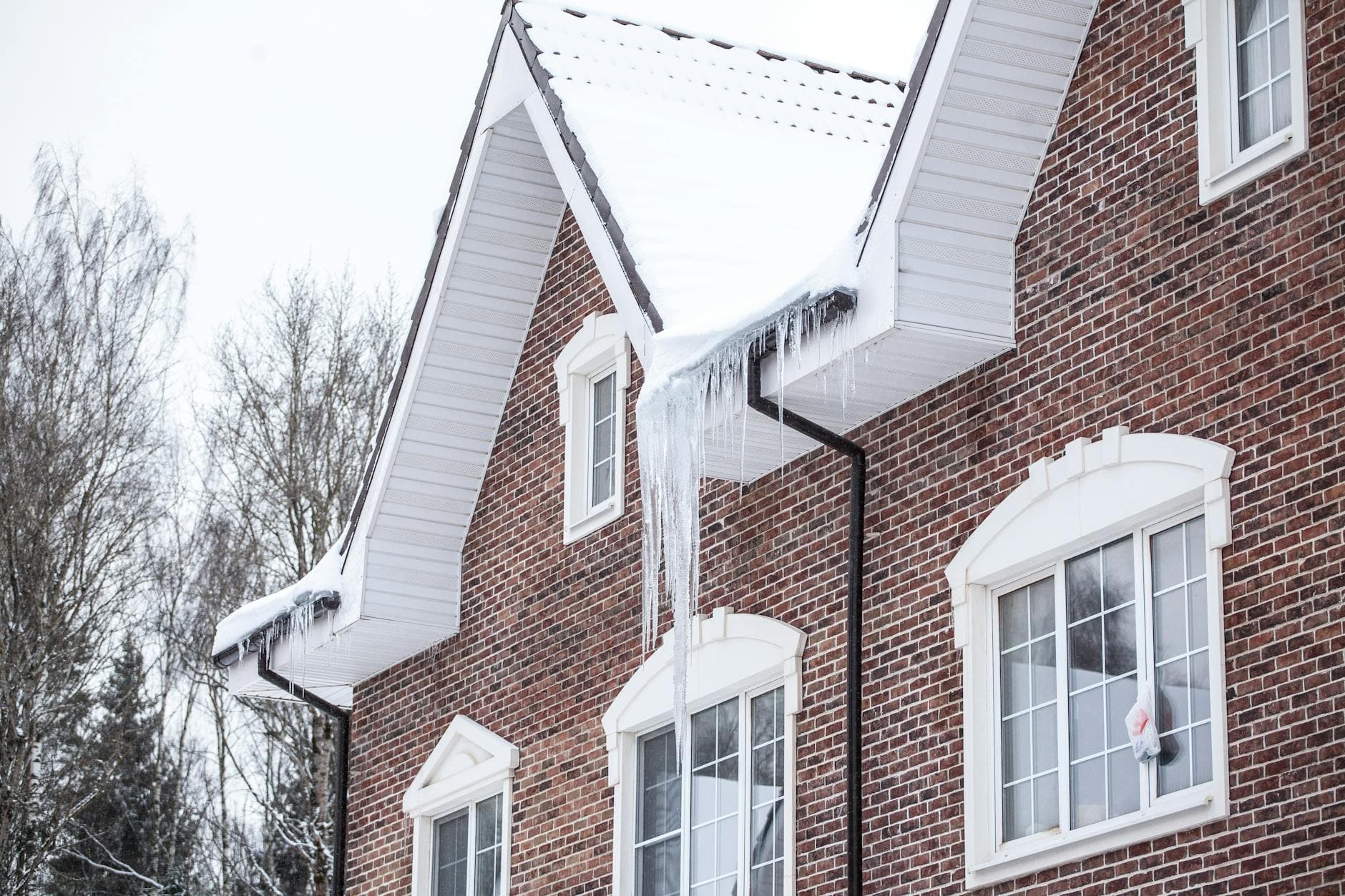
Roofing in the Twin Cities metro is a cold-climate ice-dam discipline crossed with the most aggressive hail exposure of any major northern U.S. metro. Per IBHS hail-claim data, the Twin Cities sit on the northern edge of the upper-Midwest hail corridor — and Hennepin, Ramsey, Dakota, and surrounding counties experience meaningful hail events most spring and summer seasons. Add the ICC climate zone 6A cold winters that drive ice damming on any roof without proper underlayment and ventilation, and you get a market where roofing decisions are made twice — once for hail and once for cold.
If your roof is past 15 years old or has been hit by hail in any storm since 2022, get matched with vetted Minneapolis–St. Paul roofers — most network pros offer a free inspection and written report.
What's different about roofing in the Twin Cities
The Minneapolis–St. Paul metro covers Hennepin, Ramsey, Dakota, Anoka, Washington, Scott, Carver, and surrounding counties. Three forces define roofing decisions here:
- Hail exposure on a cold-climate housing stock. The metro takes regular 1"–2" hail in spring and summer — meaningful enough that Minnesota carriers track it aggressively. Class 4 impact-rated shingles (UL 2218 / FM 4473 tested) qualify for hail-deductible discounts on most Minnesota homeowner policies, and many carriers list the eligible products on the Minnesota Department of Commerce consumer pages.
- Cold-climate code requirements. ICC climate zone 6A drives stricter underlayment and ventilation requirements than warmer zones. Self-adhered ice-and-water-shield underlayment running 24 inches inside the heated wall line on all eaves is a code requirement on steep-slope roofs across the metro. Without it, ice damming pushes meltwater back under the shingles every January and February.
- Snow load. Per the 2020 Minnesota State Building Code, Twin Cities ground-snow loads run 35–50 psf depending on jurisdiction, and replacement decks and any structural alteration must meet current snow-load engineering. New construction and any decking-replacement scope on a tear-off needs to verify the structural rating, not just the roofing materials.
Neighborhoods we serve
Twin Cities roofing demand patterns sort by housing era and proximity to suburban growth:
- Uptown, North Loop, and St. Paul (Highland Park, Macalester-Groveland) — older 1920s–1940s homes with steep pitches, brick chimneys requiring full saddle reflashing, and frequent decking-replacement scope. Common job: full tear-off plus board-sheathing inspection plus architectural-shingle install with full ice-and-water shield.
- Edina, Minnetonka, and Eden Prairie — established suburban architectural-shingle housing in the replacement window. Common job: 25–35 sq Class 4 architectural-shingle replacement post-hail with insurance-coordinated supplement.
- Bloomington, Maple Grove, and Eagan — newer master-planned subdivisions with original-builder asphalt now hitting end of life. Common job: full impact-rated upgrade with carrier-credit documentation.
- Lake-region suburbs (Lake Minnetonka, White Bear Lake) — heavy tree exposure plus higher-end housing stock. Common job: post-storm partial-replacement claims with steep-pitch and complex-detail scope.
If your house is in any of those zones, start the 60-second match here.
How we match Twin Cities homeowners
Network contractors in the Minneapolis–St. Paul metro carry Minnesota state residential building contractor licensing, one-million-dollar-or-higher general liability coverage, current workers' comp, and a 4.0+ aggregated review-score floor. For carrier-coordinated hail work we prefer Haag-certified inspectors and contractors with documented Minnesota insurance-supplement experience — Minnesota hail claims are negotiated, not just submitted.
To pick the right next step:
- For a hail-suspect roof, run the storm damage assessor before contacting your carrier.
- For an aging roof, the roof lifespan estimator factors the Twin Cities' very-cold + hail-belt profile.
- For ice-dam interior leaks every winter, the durable fix combines roof replacement with attic insulation and ventilation upgrades.
Twin Cities roofing services
Common Twin Cities requests in our network: roof replacement, roof repair, and storm damage repair. For pre-purchase due diligence and post-storm assessment, roof inspection is meaningfully more common in this market than warmer ones because ice-dam damage frequently doesn't surface until winter ends. Adjacent Midwest metros where we also place leads include Chicago and Detroit.
FAQ
Do I need a permit to replace my roof in Minneapolis or St. Paul?
Yes — both Minneapolis and St. Paul require residential roofing permits for tear-off and reroof projects, with mid-progress inspection before the final layer goes on. Suburban municipalities (Edina, Bloomington, Eden Prairie, etc.) all run their own permitting processes. Minnesota state-licensed residential building contractors are required for most exterior work; verify your contractor's license through the Minnesota Department of Labor and Industry contractor lookup.
Are Class 4 impact-rated shingles worth it in the Twin Cities?
For most Minnesota homeowners, yes. The product upcharge is modest, and major Minnesota carriers offer hail-deductible discounts for documented Class 4 installations. The cold-climate side of the equation — ice-and-water shield, ventilation balance, and snow-load decking — is independent of impact rating, but Class 4 is the right baseline for the hail half of the climate.
How do I prevent ice dams on a Twin Cities roof?
Three things, in order of impact: full-eave ice-and-water-shield underlayment running 24 inches inside the heated wall line; attic insulation at R-49 or higher per the 2024 IECC; and attic ventilation balanced between soffit intake and ridge exhaust. Most ice-dam problems trace to attic heat loss melting snow at the field of the roof and re-freezing at the colder eaves.
What roof material is best for the Twin Cities?
For most homeowners: a Class 4 impact-rated architectural asphalt shingle with a 110+ mph wind rating and full-eave ice-and-water shield underlayment. Standing-seam metal is a strong alternative for stay-forever owners — handles hail, wind, snow shed, and the cold-climate envelope better than asphalt over a 50-year ownership horizon.
How fast can I get matched with a Twin Cities roofer?
Typical match time is under 60 seconds. First contractor contact is within one business day; for active winter ice-dam leaks or post-hailstorm emergency tarping, we route to same-day-availability pros first.
Neighborhoods served
- Uptown
- North Loop
- Edina
- St. Paul
- Bloomington
- Minnetonka
- Eden Prairie
- Maple Grove
Services available in Minneapolis
Roof Replacement in Minneapolis, MN
Replacement services from vetted local pros.
Roof Repair in Minneapolis, MN
Repair services from vetted local pros.
Storm Damage Repair in Minneapolis, MN
Storm Damage services from vetted local pros.
Gutters and Downspouts in Minneapolis, MN
Gutters services from vetted local pros.
Siding in Minneapolis, MN
Siding services from vetted local pros.
Flat and Low-Slope Roofing in Minneapolis, MN
Flat Roofing services from vetted local pros.
Metal Roofing in Minneapolis, MN
Metal services from vetted local pros.
Roof Inspection in Minneapolis, MN
Inspection services from vetted local pros.
Nearby and related markets
How we vet local pros
- Licensed
- Insured
- Background-checked
Get matched with Minneapolis roofers
Tell us about your roof. We'll connect you with a local pro in one business day.